
![Why Your Leopard Gecko Licks Its Bum [Must Know]](https://reptileopedia.com/wp-content/uploads/2026/06/Why-Your-Leopard-Gecko-Licks-Its-Bum-Must-Know-1024x512.jpg)
The supplied main keyword, “Java Chip Frappuccino Caffeine Kick,” is unrelated to leopard gecko care. To keep the article relevant and SEO-friendly, the content below focuses on the actual topic: “Why Is My Leopard Gecko Licking His Bum?”
Why Is My Leopard Gecko Licking His Bum?
Seeing your leopard gecko licking its bum may look unusual or worrying. However, occasional vent licking is often a normal part of a gecko’s grooming and hygiene routine.
Leopard geckos may lick the area around their cloaca, also called the vent, after defecating, shedding, marking territory, or laying eggs. This behaviour helps them remove dirt, old skin, and natural body fluids.
Frequent licking may sometimes indicate constipation, impaction, parasites, mites, irritation, or another health problem. Understanding the frequency of the behaviour and watching for additional symptoms can help you protect your pet’s health and well-being.
Why Is My Leopard Gecko Licking Its Bum?
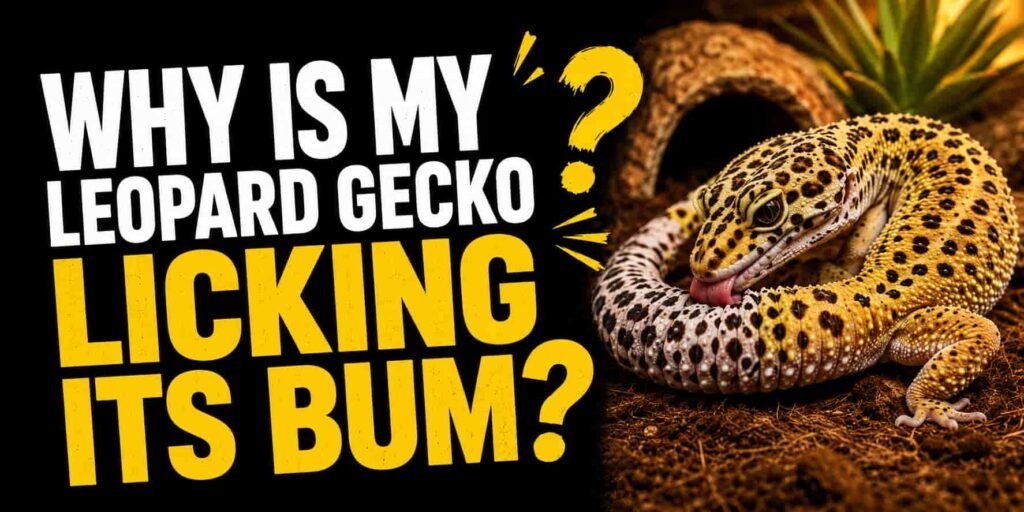
A leopard gecko licking its bum is usually performing a normal part of its grooming routine. You may notice this behaviour after your gecko wakes up, eats, walks around its enclosure, sheds its skin, or passes stool.
Occasional licking of the vent, also known as the cloaca, is generally harmless. Your gecko is simply trying to keep this sensitive area clean. However, repeated or aggressive licking may indicate irritation, constipation, impaction, retained shed, or another health issue.
Why Do Leopard Geckos Lick Their Vents?
Leopard geckos cannot clean themselves in the same way humans do. Instead, they use their tongues to remove dirt, waste, dried secretions, and pieces of stuck shed from around the vent.
Common reasons for vent licking include:
- Cleaning after defecation
- Removing skin during or after shedding
- Irritation caused by constipation or impaction
- Cleaning after egg-laying in female geckos
- Removing secretions linked to territory marking in males
- General personal hygiene
Male leopard geckos may also lick the area around their pre-anal pores, especially during the breeding season. Female geckos may clean their vents after laying eggs because of temporary moisture or secretions.
If your gecko has not passed stool for several days, frequently strains, loses interest in food, develops a swollen belly, or appears weak, it may have a digestive blockage. Do not give olive oil or other home remedies without professional advice. Check the enclosure’s temperature and contact an experienced reptile veterinarian if the problem continues.
Cleaning After a Bowel Movement
Leopard geckos are naturally clean reptiles. After passing stool, they may lick their vents to remove any waste left around the opening. Although this may look unpleasant, it is a normal form of self-cleaning.
Owners should still follow proper hygiene practices. Reptiles can carry Salmonella bacteria without appearing sick. Wash your hands thoroughly with soap and water after handling your gecko, cleaning its enclosure, touching its food dishes, or removing waste.
Children, older adults, pregnant people, and anyone with a weakened immune system should be especially careful when handling reptiles. Avoid touching your face or preparing food before washing your hands.
Occasional vent licking is usually nothing to worry about. However, redness, swelling, bleeding, discharge, a bad smell, stuck material, or constant licking may indicate a cloacal infection, parasites, impaction, or prolapse. These symptoms require prompt veterinary attention..
I removed promotional text, corrected unclear claims, and kept the advice safe and easy to understand.
Vent Licking During Shedding
Shedding is a common reason why a leopard gecko licks its vent. As the old skin loosens, it can cause itching, tightness, and mild discomfort, especially around sensitive areas such as the cloaca, toes, tail, and eyes.
Leopard geckos usually remove and eat their old skin during the shedding process. They may bite, pull, or lick the loose skin to help remove it. When pieces of skin remain around the vent, the gecko may repeatedly lick the area to loosen the retained shed.
A suitable humid hide is important because moisture helps soften the old skin and allows it to come off more easily. Owners should also check the toes, tail tip, and vent after shedding. Stuck skin can restrict blood circulation and may lead to irritation or infection.
Do not pull dry skin forcefully. If the shed does not come away naturally, place the gecko in a warm, humid container for a short period and gently remove the softened skin with a damp cotton swab. Contact a reptile veterinarian if the skin remains stuck or the area becomes swollen, red, or painful.
Constipation and Digestive Blockage
However, frequent vent licking combined with difficulty passing stool may suggest constipation or impaction. Impaction is a blockage in the digestive system that may be caused by swallowing loose substrate, dehydration, unsuitable temperatures, or consuming food that is too large.
Possible signs include:
- Straining without producing stool
- A swollen or firm abdomen
- Reduced appetite
- Low activity levels
- Repeated vent licking
- No bowel movement for an unusual length of time
Check that the enclosure has the correct temperature gradient, clean drinking water, and an appropriate substrate. Avoid giving oils, medicines, or home treatments without veterinary advice. A gecko showing severe discomfort, weakness, swelling, or ongoing constipation should be examined by an experienced exotic-animal veterinarian.
Cleaning After Egg-Laying
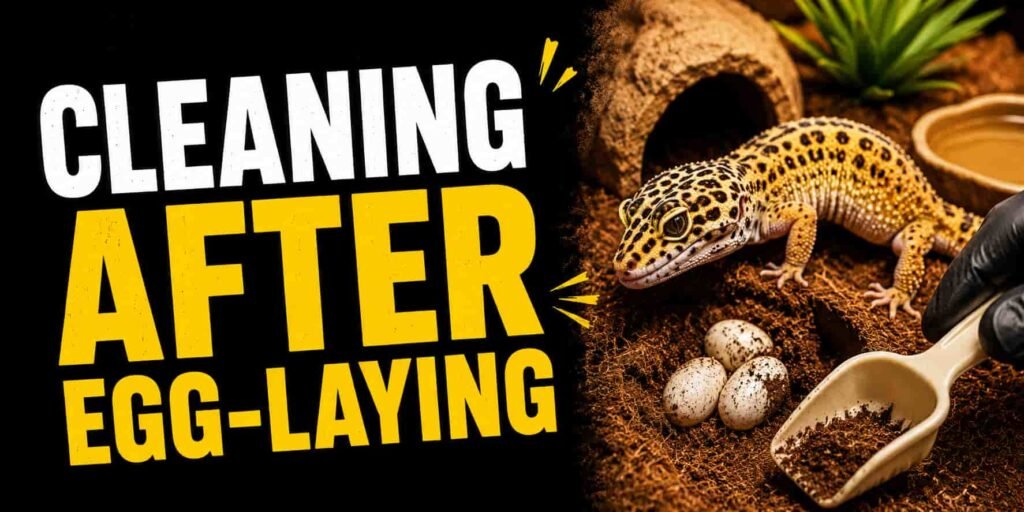
A sexually mature female leopard gecko may lick her vent after laying eggs. Egg production and laying require considerable energy and may leave temporary moisture, secretions, or mild irritation around the cloacal opening.
Vent licking helps the female clean the area and remove any remaining residue. This behaviour can occur after laying either fertile or infertile eggs, so it does not always mean that the gecko has recently mated.
Occasional licking after egg-laying is usually normal. However, seek veterinary help if the female continues straining, appears extremely weak, refuses food for a long period, develops a swollen abdomen, or seems unable to lay her eggs. These signs may indicate egg binding, also called dystocia.
Intestinal Parasites and Vent Irritation
Although less common, internal parasites may cause discomfort around the digestive tract and vent. Parasites such as pinworms, coccidia, and Cryptosporidium can affect leopard geckos and may lead to excessive licking.
Other warning signs may include:
- Rapid or unexplained weight loss
- Loss of appetite
- Vomiting or regurgitation
- Diarrhea or unusually loose stool
- Reduced tail thickness
- Weakness or low activity
- Strong-smelling or abnormal feces
Vent licking alone does not confirm a parasite infection. A veterinarian usually needs to examine a fresh stool sample to identify the cause. Avoid using over-the-counter parasite treatments because the wrong medicine or dose can seriously harm a reptile.
I refined the wording, removed repetition, and corrected unclear care advice while keeping the content simple and SEO-focused.
Occasional vent licking is usually part of a leopard gecko’s normal grooming behaviour. However, frequent licking combined with weight loss, abnormal stool, swelling, reduced appetite, or difficulty defecating may indicate a health problem.
An experienced reptile veterinarian can examine your gecko and test a fresh stool sample for intestinal parasites. If parasites are found, the veterinarian can prescribe the correct medication and dosage. Never use over-the-counter treatments without professional advice, as some products can be harmful to reptiles.
Cleaning After Territory Marking
Leopard geckos use natural chemical signals to communicate and mark their surroundings. Males have more noticeable pre-anal pores near the vent, which produce a waxy secretion. These scent signals may help establish territory and communicate readiness to mate.
After releasing these secretions, a gecko may lick around its vent and pores as part of its normal cleaning routine. A small amount of licking is usually harmless. However, hardened secretions can sometimes block the pores, causing irritation, swelling, or discomfort.
Do not squeeze, scrape, or forcefully remove material from the pores. Maintaining suitable enclosure temperatures, proper humidity, clean surfaces, and a safe substrate can support healthy shedding and reduce build-up. A reptile veterinarian should examine any blocked, swollen, red, or infected-looking pores.
Warning Signs That Need Veterinary Attention
Contact a reptile veterinarian if vent licking becomes excessive or appears with:
- Sudden weight loss
- Difficulty passing stool
- Loss of appetite
- Frequent diarrhea or loose stool
- Swelling or redness around the vent
- Unusual discharge or a bad smell
- Weakness or reduced activity
Normal vent licking is usually brief and occasional. Persistent licking with other symptoms may be linked to impaction, parasites, blocked pores, infection, or another medical condition.
If your gecko shows unusual symptoms that don’t resolve independently within a few days, it’s prudent to consult a reptile vet. They can determine the cause, provide an official diagnosis, and outline a treatment plan for moving forward.
Do Leopard Geckos Groom Themselves?
In their way, yes, vent licking is part of the grooming regimen of a leopard gecko. Their body is uniquely designed for self-grooming, especially when they shed the top layer of their skin every couple of months. Babies do this often, as they grow quickly at this stage of life, whereas juveniles and adults shed less frequently as they age. In addition to shedding, leopard geckos also clean themselves during and right after the shedding process.
Leopard geckos do lick the air
Leopard geckos, known as lickers, often lick the air as well as their skin to cool down or clean themselves. It’s not just about grooming; they also use their tongue to explore their environment and expect everything in sight, including potential food sources. This behaviour is a natural part of their interaction with their surroundings.
Your leopard gecko might have mites
If you notice your leopard gecko licking excessively, it might be dealing with mites, a common problem often transmitted through its habitat. If infected, you should inspect the bedding and other items in your household where your pet lizard resides. To get rid of mites, clean all supplies, including bowls and dishes, with hot water and soap or detergent, and rinse thoroughly. Be vigilant for signs of mold or black spots growing on bedding or drinking items; if contaminated, these should be thrown away to prevent your gecko from ingesting any harmful spores. Regular and thorough habitat cleaning is crucial to keep these pests at bay.
Subscribe to reptiera!
I removed promotional text and corrected the claims about air licking and mite treatment.
If your leopard gecko develops unusual symptoms that continue for more than a few days, contact an experienced reptile veterinarian. The veterinarian can examine your pet, identify the underlying cause, provide an accurate diagnosis, and recommend a suitable treatment plan.
Do Leopard Geckos Clean Themselves?
Yes, leopard geckos groom themselves by licking their bodies, removing loose skin, and cleaning the area around their vent. This natural behaviour becomes especially noticeable during and after shedding.
Young geckos shed more often because they grow quickly. Juveniles and adults usually shed less frequently as their growth slows. During this process, a gecko may lick, bite, and pull at the old skin before eating it. Occasional grooming is normal, but repeated licking of one area may suggest stuck shed, irritation, injury, or infection.
Why Do Leopard Geckos Lick the Air?
Leopard geckos often lick the air or nearby objects to gather information about their surroundings. Their tongue collects tiny scent particles and helps them investigate unfamiliar objects, locate food, and recognize changes inside their enclosure.
This is usually a normal form of exploratory behaviour, not a sign that the gecko is trying to cool itself. However, constant licking accompanied by stress, unusual movement, appetite loss, or breathing problems should be monitored carefully.
Could Excessive Licking Be Caused by Mites?
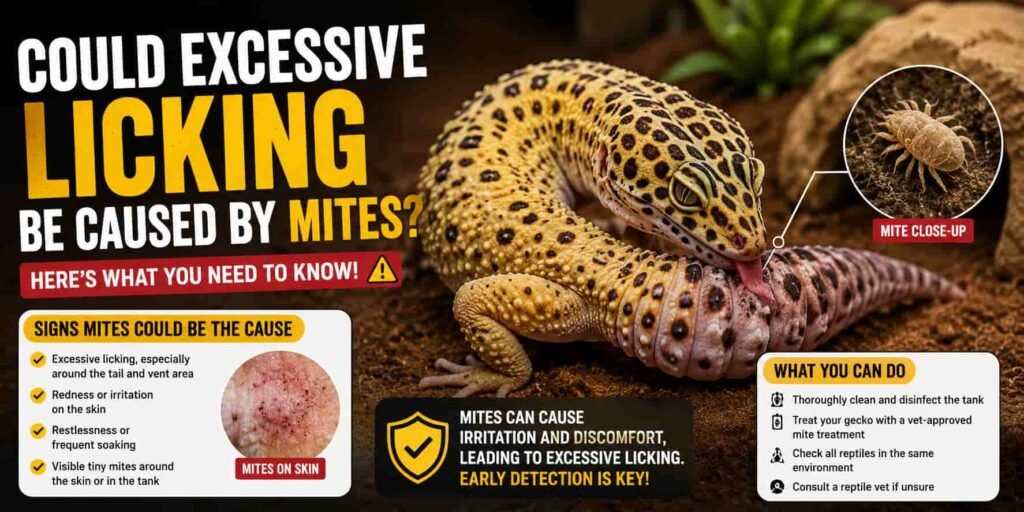
Frequent licking or scratching may sometimes be linked to reptile mites, although mites are less commonly seen in leopard geckos than in some other reptiles. Possible signs include tiny moving black or reddish dots, irritated skin, restlessness, repeated rubbing, and unusual skin around the eyes, neck, legs, or vent.
If you suspect mites:
- Separate the affected gecko from other reptiles.
- Replace loose bedding with clean paper towels.
- Wash food bowls, hides, and enclosure accessories thoroughly.
- Remove moldy, damaged, or heavily contaminated items.
- Contact a reptile veterinarian for a confirmed diagnosis and safe treatment.
Do not apply household insect sprays, essential oils, or treatments intended for dogs and cats. These products may be toxic to reptiles. Regular enclosure cleaning, safe substrate, proper humidity, and careful inspection of new reptiles or accessories can reduce the risk of parasites.
Brief and occasional licking is usually part of normal grooming and environmental exploration. Persistent licking, especially with skin irritation, weight loss, swelling, diarrhea, or reduced appetite, requires veterinary attention.
Why Your Leopard Gecko Licks Its Bum [Must Know]
FAQ’s
How can you tell if your leopard gecko loves you?
Leopard geckos do not feel love exactly like humans, but they can develop a strong bond of trust with their owners. Signs include calmly climbing onto your hand, accepting gentle handling, licking your fingers, remaining relaxed near you, and showing no signs of fear or stress.
Is it normal for leopard geckos to lick themselves?
Yes, occasional self-licking is normal in leopard geckos. They often lick their lips, skin, or vent during grooming and shedding to loosen and remove old skin. However, repeated licking with mouth swelling, redness, discharge, appetite loss, or difficulty eating may indicate mouth rot, irritation, or another health problem that requires a reptile veterinarian.
What does it mean when a leopard gecko licks?
A leopard gecko usually licks to smell, taste, and explore its surroundings. Its tongue collects tiny chemical particles from objects and the air, which are then analysed by a special sensory organ in the mouth. This natural exploratory behaviour helps the gecko recognise food, detect other animals, and understand changes in its environment.
Why is my leopard gecko licking her tail?
The tail licking is not unusual and is nothing to worry about. He could be cleaning or removing shed.
Why is my leopard gecko licking his bum?
Occasional vent licking is usually normal. A leopard gecko may lick its cloaca to clean itself after defecating, remove stuck shed, or clear reproductive secretions such as sperm plugs in males. However, frequent or prolonged licking may indicate irritation, constipation, impaction, internal parasites, infection, or a prolapse. Contact a reptile veterinarian if you notice swelling, redness, discharge, bleeding, appetite loss, or difficulty passing stool.