
![How to Bond With a Leopard Gecko [11 Easy Ways]](https://reptileopedia.com/wp-content/uploads/2026/07/How-to-Bond-With-a-Leopard-Gecko-11-Easy-Ways-1024x512.jpg)
Do Leopard Geckos Like Being Petted?
Many pet owners are used to showing love to dogs and cats by stroking their backs, rubbing their heads, or holding them close. However, leopard geckos are very different from these common pets. They are small, delicate reptiles, and they do not always understand human touch as affection.
A leopard gecko may not enjoy being petted in the same way a cat or dog does. Some geckos may tolerate gentle touch, while others may feel nervous or stressed. With patience, calm handling, and a safe environment, many leopard geckos can slowly become comfortable with human contact.
The most important thing is to move slowly, respect their body language, and never force interaction. A calm and gentle approach can help build trust, reduce stress, and create a better bond between you and your gecko.
How to Pet a Leopard Gecko Safely
Petting a leopard gecko should always be done gently. These reptiles have soft bodies and sensitive skin, so rough handling can scare or hurt them. A new gecko should not be petted right away. It needs time to settle into its enclosure, learn your scent, and feel safe around you.
Start by placing your hand inside the tank without touching the gecko. Let your gecko see your hand and decide whether to come closer. This helps your pet understand that your hand is not a threat.
When your gecko becomes calm around you, you can try light strokes on safer areas such as the top of the head, under the chin, or along the back. Avoid touching the tail too much, especially the lower part of the tail. Leopard geckos can drop their tails when they feel extreme fear or stress. Although the tail can grow back, it will not look exactly the same.
Always use slow movements, soft pressure, and short handling sessions. If your gecko walks away, hides, waves its tail, opens its mouth, or looks tense, stop immediately and give it space.
Best Places to Touch a Leopard Gecko
Not every leopard gecko likes being touched in the same place. Some may accept gentle petting on the head, while others may prefer not to be touched at all. The safest areas are usually the head, upper back, and chin area.
Before touching your gecko, allow it to see your hand. Sudden movement from above can scare it because it may think your hand is a predator. Move your hand slowly from the side and keep your touch light.
You can gently stroke the back or lightly touch under the chin with one finger. Watch your gecko’s reaction carefully. If it stays calm, keeps its body relaxed, and does not try to escape, it may be comfortable. If it hides, freezes, tail-waves, or tries to run, it is better to stop.
How to Build Trust With a Leopard Gecko
Building a strong bond with a leopard gecko takes time. These reptiles are naturally cautious, so trust cannot be rushed. The best way to bond is to create a calm, safe, and comfortable space where your gecko feels secure.
A good habitat setup makes a big difference. Your gecko needs proper heat, humidity, hiding spots, clean substrate, and a peaceful environment. When a gecko feels safe in its enclosure, it is more likely to respond calmly to handling.
You can also build trust by feeding your gecko gently, talking in a soft voice, and spending quiet time near the tank. Over time, your gecko may begin to recognize your presence and feel less afraid.
Positive experiences are very important. Every time you handle your gecko calmly and safely, it learns that your hand does not mean danger.
Simple Ways to Bond With Your Leopard Gecko
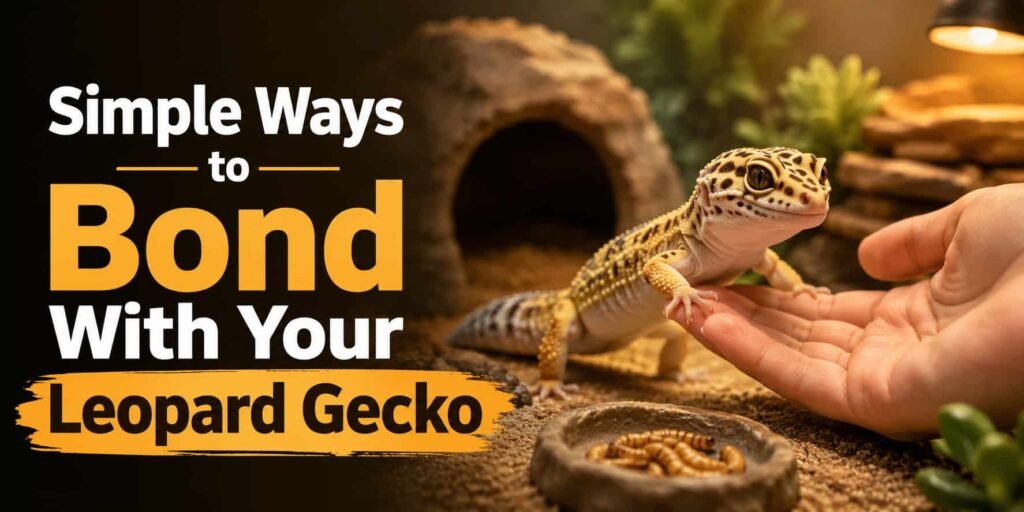
You can bond with your leopard gecko by taking small steps. First, let it adjust to its new home. Do not handle it too much during the first few days. After that, place your hand inside the enclosure and allow the gecko to come close on its own.
Speak in a soft voice so your gecko becomes familiar with you. Keep other pets, such as cats and dogs, away from the tank because they can make your gecko feel unsafe. Handle your gecko only when it is awake and active, usually during the evening or night.
When picking up your gecko, support its body properly. Never grab it by the tail. Let it walk onto your hand if possible. Keep handling sessions short at first, then slowly increase the time as your gecko becomes more comfortable.
Signs Your Leopard Gecko Is Comfortable
A relaxed leopard gecko may move slowly, stay calm on your hand, explore gently, or rest without trying to escape. Some geckos may close their eyes when they feel calm, but this does not always mean they enjoy petting. It can also be a sign of discomfort in some reptiles, so you should look at the whole body language.
Good signs include relaxed movement, normal breathing, and curiosity. Bad signs include hiding, tail waving, fast running, biting, squeaking, or trying to jump away. If you notice stress signs, stop handling and let your gecko return to its enclosure.
Do Leopard Geckos Like to Be Held?
Some leopard geckos can learn to tolerate being held, but not all of them enjoy it. Holding should always be calm, gentle, and safe. Keep your gecko close to a soft surface so it cannot fall from a height.
Never squeeze your gecko or hold it tightly. Let it move across your hands naturally. If it tries to escape, do not force it to stay. A short and positive handling session is much better than a long and stressful one.
Do Leopard Geckos Like Being Petted?
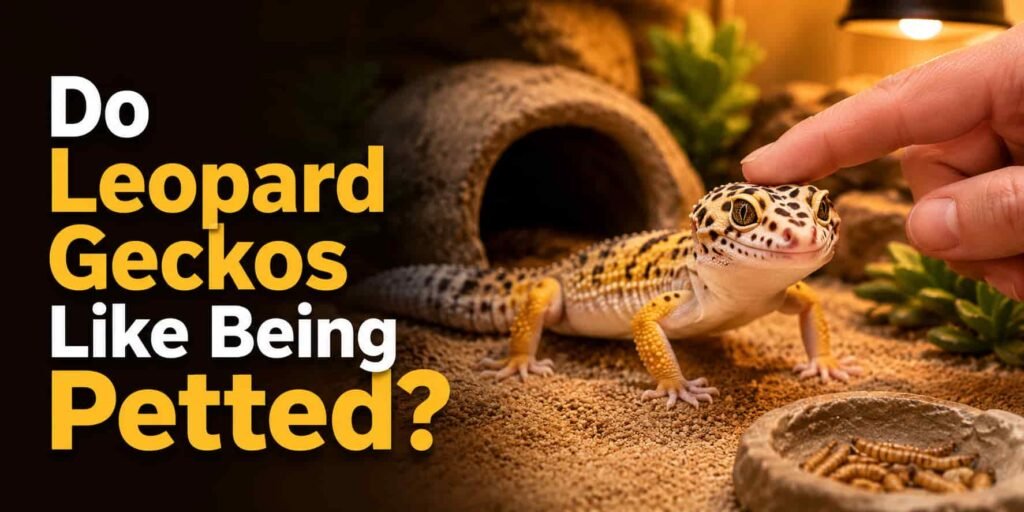
Leopard geckos can become comfortable with gentle touch, but they do not enjoy petting in the same way as dogs or cats. They are small, delicate reptiles, so human contact can feel strange or stressful to them at first.
Some leopard geckos may accept soft strokes, while others may prefer very little handling. Their comfort depends on their personality, age, past experience, and how gently they are treated. With patience, calm handling, and a safe enclosure, many geckos can slowly learn to trust their owner.
The best approach is to move slowly, avoid forcing contact, and watch your gecko’s body language. A relaxed gecko may stay calm, move slowly, or explore your hand. A stressed gecko may hide, run away, wave its tail, or open its mouth. Respecting these signs helps reduce stress and build a stronger bond.
Safe Way to Pet a Leopard Gecko
Petting a leopard gecko should always be gentle and controlled. These reptiles have soft bodies and sensitive skin, so rough touch can scare or hurt them. A new gecko should not be handled too soon because it needs time to adjust to its new home.
Start by placing your hand inside the tank without touching the gecko. Let it see your hand and decide whether it wants to come closer. This helps your gecko understand that your hand is safe and not a threat.
Once your gecko becomes calm around you, you can try light strokes on safe areas such as the top of the head, under the chin, or along the upper back. Always use soft pressure and slow movement. Avoid touching the tail too much, especially near the lower part, because leopard geckos can drop their tails when they feel extreme fear.
Short and positive sessions are better than long ones. If your gecko hides, runs away, stiffens, tail-waves, or looks uncomfortable, stop touching it and give it space.
Best Areas to Touch a Leopard Gecko
Not every leopard gecko likes being touched in the same area. Some may tolerate gentle strokes on the head or back, while others may not enjoy touch at all. The safest areas are usually the upper back, head, and chin area.
Before petting your gecko, let it see your hand. Sudden movement from above can scare it because reptiles may see this as a predator-like action. Move your hand from the side and keep your touch calm and light.
You can gently stroke the back or lightly touch under the chin with one finger. Watch the reaction carefully. If your gecko stays relaxed and does not try to escape, it may be comfortable. If it freezes, hides, tail-waves, or runs away, stop immediately.
How to Build Trust With a Leopard Gecko
Building trust with a leopard gecko takes time. These reptiles are naturally cautious, so they should never be forced into contact. The goal is to help them feel safe around your hand, voice, and presence.
A proper habitat setup is very important for bonding. Your gecko needs correct temperature, safe hiding spots, clean substrate, proper humidity, and a quiet environment. When a gecko feels secure in its enclosure, it is more likely to stay calm during handling.
You can also build trust by spending quiet time near the tank, speaking in a soft voice, and offering food in a calm way. Over time, your gecko may begin to recognize you and feel less afraid.
Positive experiences matter most. Every calm interaction teaches your gecko that your hand does not mean danger. With patience, gentle handling, and respect for its comfort, your leopard gecko can slowly become more confident around you.
Final Thoughts
Leopard geckos may not seek affection like cats or dogs, but many can learn to tolerate and even accept gentle human contact. The key is patience, safety, and respect for their natural behavior.
Always move slowly, avoid sudden touch, and pay attention to signs of stress. A calm environment, proper reptile care, and gentle bonding can help your gecko feel safe and comfortable with you over time.
Simple Ways to Bond With Your Leopard Gecko
Building a bond with your leopard gecko takes patience, calm behavior, and gentle handling. A leopard gecko is not like a dog or cat. It may not ask for attention, but it can slowly learn to feel safe around you.
First, give your gecko time to adjust to its new enclosure. Avoid handling it too much during the first few days. Once it looks settled, place your hand inside the tank without touching it. Let your gecko come closer on its own. This helps build trust and reduces fear.
Speak in a soft voice so your gecko becomes familiar with your presence. Keep other pets, such as cats and dogs, away from the tank because they can make your gecko feel unsafe. Handle your gecko only when it is awake and active, usually in the evening or at night.
When picking up your gecko, support its full body and never grab it by the tail. If possible, let it walk onto your hand naturally. Keep handling sessions short at first, then slowly increase the time as your gecko becomes more comfortable.
Signs Your Leopard Gecko Feels Comfortable
A calm leopard gecko may move slowly, sit quietly on your hand, explore gently, or rest without trying to escape. These are good signs that your gecko feels safe.
However, you should always watch its body language. Closing the eyes does not always mean happiness. In some reptiles, it can also be a sign of discomfort. Look at the whole body before deciding how your gecko feels.
Positive signs include relaxed movement, normal breathing, curiosity, and calm behavior. Stress signs include hiding, fast running, tail waving, biting, squeaking, jumping, or trying to escape. If you notice any stress signals, stop handling and place your gecko back in its enclosure.
Using Positive Associations
One of the best ways to bond with a leopard gecko is by creating positive associations. This means helping your gecko connect your presence with something safe and pleasant.
Food can be helpful in this process. Follow a proper feeding routine, but you can occasionally offer a small treat during calm interaction. This may help your gecko understand that your presence is not dangerous.
Over time, your gecko may begin to see you as part of a safe routine. This does not mean it loves you like a dog or cat might, but it can learn to feel comfortable and secure around you.
Watch for Signs of Stress
A good owner should always notice when a leopard gecko feels uncomfortable. These reptiles show stress through small but clear behaviors. They may hide, run away, wave their tail, open their mouth, make sounds, or become stiff.
Never force your gecko to stay in your hand if it wants to leave. Forcing attention can make your gecko more afraid of you in the future. If your gecko seems stressed, return it gently to its habitat and give it time to calm down.
Respecting boundaries is one of the most important parts of leopard gecko care. The more you respect your gecko’s comfort, the easier it becomes to build trust.
Does My Leopard Gecko Like Me?
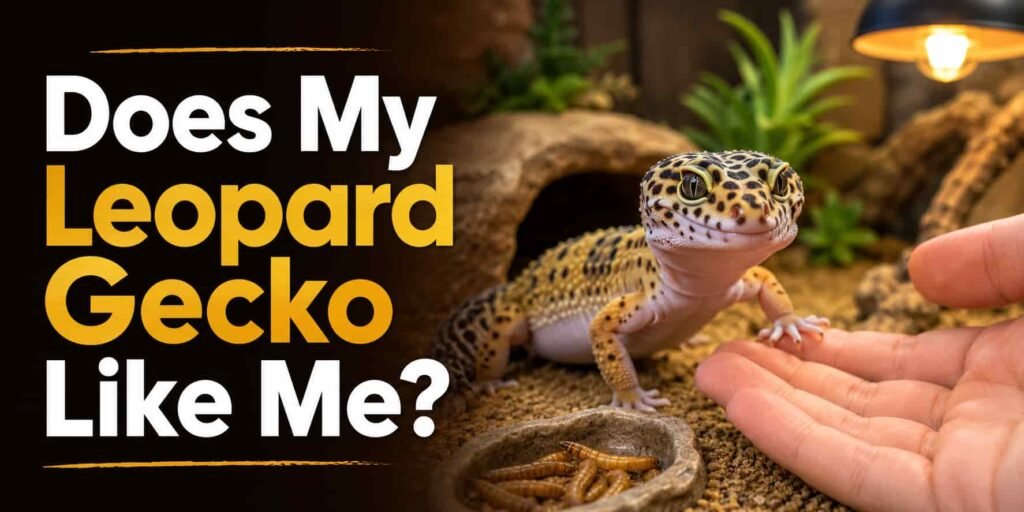
It can be difficult to know if a leopard gecko likes you because reptiles do not show emotions like dogs or cats. They do not wag their tails happily or come running for affection in the same way.
However, a gecko that feels safe may allow you to pick it up, stay calm in your hand, or explore around you without fear. These are signs of trust and comfort.
Your gecko may not “like” you in a human way, but it can learn that you are not a threat. Calm behavior, gentle movement, and willingness to interact are good signs that your gecko feels secure around you.
Do Leopard Geckos Like Being Petted?
Most leopard geckos do not naturally enjoy petting like cats or dogs. Some may tolerate gentle touch, while others may prefer not to be touched at all.
Before petting your gecko, you must build trust first. If you touch it too soon, it may feel scared and form a negative connection with your hand. Start slowly and use positive reinforcement to make each interaction calm and safe.
Gentle strokes on the head, chin, or upper back may be accepted by some geckos. Avoid rough touch and never pet the tail too much, as this can cause stress. With time, your gecko may learn to accept gentle petting as part of a calm routine.
Do Leopard Geckos Like Being Held?
Some leopard geckos can learn to tolerate being held, but not all of them enjoy it. Holding should always be slow, gentle, and safe.
Never grab your gecko quickly, especially if it looks scared. Give it time to know your scent, your hand, and your movements. A gecko that feels safe is more likely to stay calm while being held.
Short handling sessions are best in the beginning. As your gecko becomes more confident, you can slowly increase the time. Always let your gecko move naturally and never squeeze it.
How to Hold a Leopard Gecko Safely
To hold a leopard gecko properly, start slowly and stay calm. Place your hand near the gecko and allow it to walk onto your palm if possible. Support its body with both hands if needed.
Keep your gecko close to a soft surface so it cannot get hurt if it jumps or falls. Never hold it high in the air, and never pull it by the tail. Leopard geckos can drop their tails when they feel extreme fear.
Let your gecko move across your hands naturally. If it tries to escape, do not force it to stay. Put it back in its enclosure gently and try again another time.
How to Have Fun With Your Leopard Gecko
Leopard geckos are calm, beautiful, and interesting pet reptiles. Their spotted skin, gentle nature, and curious behavior make them popular among reptile lovers. Once your gecko’s enclosure is properly set up, you may want to spend more time with it in a safe and enjoyable way.
Having fun with a leopard gecko does not mean playing with it like a dog or cat. These reptiles need slow movement, gentle handling, and a peaceful space. The goal is to make every activity safe, calm, and stress-free.
You can enjoy time with your gecko by letting it explore, watching its natural behavior, offering safe enrichment, and building trust through short handling sessions. When you understand your gecko’s needs and personality, bonding becomes easier and more enjoyable.
Safe Ways to Play With Your Leopard Gecko
Before you take your leopard gecko out of its tank, make sure the area is safe. Young geckos can move quickly and may try to escape if they feel scared. A safe play area helps prevent injury, stress, or losing your gecko.
You can use a clean box, plastic bin, bed, couch, or a small blocked area on the floor. Use soft barriers such as pillows or towels to stop your gecko from running into unsafe places. Make sure the barriers are stable and cannot fall on your gecko.
Keep doors and windows closed to prevent cold drafts. Also, keep other pets, such as cats and dogs, away from the area. These animals can scare your gecko, even if they do not mean harm.
When your gecko becomes used to being outside its habitat, it may feel calmer and more confident. Start with short sessions and slowly increase the time as your gecko becomes comfortable.
Let Your Leopard Gecko Explore
One of the easiest ways to have fun with your leopard gecko is to let it explore a safe space. Geckos are naturally curious, and they enjoy moving around at their own pace.
Place your gecko in a secure area and allow it to walk, climb gently, and investigate its surroundings. You can add safe objects like paper towel rolls, small hides, soft cloth, or clean reptile-safe decorations. These items can make the space more interesting without overwhelming your gecko.
Always watch your gecko closely while it explores. Do not leave it alone outside the enclosure. If it starts moving too fast, hiding too much, tail waving, or trying to escape, it may be stressed. In that case, gently return it to its tank.
Keep Playtime Calm and Gentle
A leopard gecko does not need loud games or rough play. Calm interaction is the best kind of play for this reptile. You can let it walk across your hands, explore a small area, or simply sit near you while you watch it.
Move slowly and avoid sudden sounds. Loud noises, quick hand movements, and forced handling can make your gecko feel unsafe. A relaxed environment helps your gecko connect your presence with comfort instead of fear.
Short, peaceful sessions are better than long and stressful ones. Even a few minutes of calm interaction can help build trust and improve your bond over time.
Use Enrichment to Make Life Interesting
Enrichment means giving your leopard gecko safe things to explore and interact with. This helps support natural behavior and prevents boredom.
You can add hides, climbing rocks, textured surfaces, tunnels, and safe digging areas inside the enclosure. Changing small items from time to time can also make the habitat more engaging. However, avoid changing everything at once because sudden changes may cause stress.
Live insects can also provide natural feeding enrichment. Watching your gecko hunt safely can be enjoyable for both you and your pet. Always use healthy feeder insects and avoid wild-caught bugs because they may carry parasites or chemicals.
Watch Your Gecko’s Body Language
During playtime, always pay attention to your gecko’s body language. A calm gecko may move slowly, explore gently, breathe normally, and stay relaxed in your hand.
A stressed gecko may run away, hide, wave its tail, open its mouth, squeak, freeze, or try to jump. If you see these signs, stop the activity and place your gecko back in its enclosure.
Respecting your gecko’s comfort is the most important part of safe bonding. The more you respect its limits, the more likely it is to trust you in the future.
Let Your Leopard Gecko Explore Safely
Leopard geckos are naturally curious and active reptiles. They enjoy exploring new spaces, but playtime should always be safe, calm, and supervised. Instead of forcing your gecko to move in a certain way, let it explore at its own pace.
Your gecko may crawl on your hands, move along your arms, or settle in a warm spot on your body. Since leopard geckos are cold-blooded, they often enjoy warmth from your skin. This is why your gecko may choose to rest near your neck, arm, or another warm area.
You can also create a simple exploration space using a soft towel, shirt, or blanket. Place the fabric on a bed or safe surface and let your gecko crawl over it. The folds in the fabric can become small hiding spots, which may make your gecko feel secure.
Always watch your gecko closely during playtime. Leopard geckos can hide under pillows, behind cushions, or inside small gaps. They may also try to climb, even though they are not strong climbers. Never leave your gecko alone outside its enclosure, because it may escape or get injured.
A safe play area should be quiet, warm, and free from other pets such as cats and dogs. Keep doors and windows closed, remove unsafe objects, and make sure there are no small spaces where your gecko can disappear.
Make a Simple Obstacle Course for Your Gecko
A small obstacle course can make playtime more interesting for your leopard gecko. You can use safe items such as paper towel rolls, soft towels, small hides, clean cardboard, or reptile-safe decorations.
Keep the course low and easy to climb. Avoid tall objects because leopard geckos can fall and hurt themselves. The goal is not to train your gecko like a dog, but to give it a safe chance to explore, crawl, hide, and use its natural curiosity.
Watch your gecko’s body language while it explores. If it moves calmly, investigates objects, and stays relaxed, it may be enjoying the activity. If it hides too much, runs quickly, waves its tail, freezes, or tries to escape, end the session and return it gently to its tank.
Short and peaceful play sessions are best. With patience, safe handling, and gentle reptile care, your leopard gecko can learn that time outside the enclosure is calm, safe, and interesting.
Create a Safe Obstacle Course for Your Leopard Gecko
A simple obstacle course can give your leopard gecko safe exercise, mental stimulation, and a chance to explore. This type of reptile enrichment helps support natural behaviors such as crawling, climbing, hiding, and investigating new spaces.
To start, use a clean plastic bin, large box, or secure play area. Add safe items such as paper towel tubes, small cardboard boxes, soft towels, low hides, and smooth reptile-safe decorations. These objects can encourage your gecko to move around, crawl through tunnels, climb over small items, and explore at its own pace.
You can also use pet-store climbing branches, low rocks, or old clean toys, but make sure everything is stable, smooth, and safe. Avoid sharp edges, tall objects, loose strings, or anything your gecko could swallow. Since leopard geckos are not strong climbers, keep the setup low to prevent falls and injuries.
The goal is not to force your gecko to perform tricks. Instead, the purpose is to create a calm and interesting space where your gecko can use its natural curiosity. Always supervise playtime and return your gecko to its enclosure if it shows signs of stress, such as tail waving, hiding too much, running fast, freezing, or trying to escape.
Read Also: Why Do Leopard Geckos Bite – 8 ReasonsSet Up a Mini Gecko Carnival
A gecko carnival is a fun way to make playtime more exciting while keeping your leopard gecko safe. You can create small activity areas inside a secure bin or box, such as a tunnel section, a soft climbing area, a hiding corner, and a gentle exploration path.
Use simple, safe materials like cardboard tubes, folded towels, small hides, and reptile-safe decorations. Change the layout slightly from time to time to keep the space interesting, but do not make sudden big changes that may scare your gecko.
Keep each play session short, quiet, and relaxed. A calm leopard gecko may explore slowly, crawl through tubes, climb over low objects, or rest in a hiding spot. If your gecko seems nervous, stop the activity and let it return to its tank.
With patience, safe handling, and gentle reptile care, an obstacle course or mini gecko carnival can help your leopard gecko stay active, curious, and comfortable during supervised playtime.
Set Up a Safe Gecko Carnival
A gecko carnival is a fun and safe way to give your leopard gecko more enrichment during supervised playtime. It is similar to an obstacle course, but the goal is not to make your gecko move from one side to the other. Instead, you create a small activity space where your gecko can explore, climb, hide, and move at its own pace.
Use a clean box, plastic bin, or secure play area. Add safe items such as paper towel rolls, small hides, soft fabric, low climbing branches, smooth rocks, and reptile-safe decorations. You can also use small pieces of clean carpet or folded towels to create texture and hiding spots.
A leopard gecko may enjoy crawling through tunnels, climbing over low objects, resting in warm areas, or hiding under soft materials. Watching these behaviors can help you understand your gecko’s personality, comfort level, and favorite activities.
Always keep the setup low and stable. Avoid sharp objects, loose threads, tall climbing items, or anything your gecko could swallow. The purpose of a gecko carnival is to provide safe mental stimulation, gentle exercise, and a calm bonding experience.
Watch a Movie With Your Leopard Gecko
Spending quiet time with your leopard gecko can also help build trust. Watching a movie together is not active play, but it can be a peaceful bonding activity if your gecko is already comfortable with handling.
Let your gecko rest in a safe, warm spot on your body, such as your arm or lap. Since leopard geckos are cold-blooded, they may enjoy the gentle warmth from your skin. Some geckos may sit calmly, look around, or even fall asleep in a comfortable position.
Keep the movie volume low because loud sounds can scare or stress your gecko. Avoid sudden movements, bright flashing lights near the gecko, or long handling sessions. The goal is to create a calm and safe moment where your gecko feels secure around you.
Know When to Put Your Gecko Back in Its Tank
It is important to know when your leopard gecko has had enough playtime. Even if your gecko seems calm, it should not stay outside its enclosure for too long. Leopard geckos need proper warmth, hides, and a safe habitat to feel comfortable.
Return your gecko to its tank if it starts running quickly, hiding too much, tail waving, freezing, squeaking, opening its mouth, or trying to escape. These are common stress signs and should not be ignored.
You should also put your gecko back if its body feels cool, if it becomes restless, or if the room is not warm enough. Short, positive sessions are better than long and stressful ones.
Know When to End Playtime
Leopard geckos need warmth to stay active, healthy, and comfortable. Since they are cold-blooded reptiles, they depend on outside heat to control their body temperature. When they spend time outside their warm tank, they can cool down quickly, especially after climbing, crawling, or exploring.
A simple way to check your gecko’s comfort is to gently feel its belly after about 10 minutes of playtime. If the belly feels cool, it is time to place your gecko back in its enclosure so it can warm up again.
Do not let your gecko stay in a cool room for too long. Low body temperature can make it tired, slow, and stressed. Short play sessions are safer and better for your gecko’s health.
Always watch your gecko’s body language during playtime. If it becomes weak, restless, hides too much, moves slowly, or seems uncomfortable, end the session calmly. Returning your gecko to its warm habitat at the right time helps prevent stress, fatigue, and discomfort.
Your gecko’s safety should always come first. Fun activities are only beneficial when they are gentle, supervised, and suitable for your leopard gecko’s care needs..
How to Bond With a Leopard Gecko [11 Easy Ways]
FAQ’s
How can I bond with my leopard gecko?
You can bond with your leopard gecko by building trust slowly through patience, consistency, and positive feeding experiences. Since leopard geckos are prey animals, they may not enjoy cuddling like cats or dogs. Let your gecko get used to your scent, place your hand calmly in the tank, and offer food gently. Over time, your gecko will see you as safe instead of a threat.
How to get a leopard gecko to trust you?
To help your leopard gecko trust you, move slowly and create positive associations. Let your gecko become familiar with your scent, speak softly, and place your hand in the tank without forcing contact. Offer food gently and keep handling sessions short. With patience, calm behavior, and consistent care, your gecko will start to feel safe, relaxed, and less afraid around you.
How do I safely play with my leopard gecko?
You can play with your leopard gecko through gentle handling and short, calm playtime outside its enclosure. Keep each session around 5–10 minutes, only 2–3 times a week, to avoid stress or tiredness. Always support your gecko’s body, move slowly, and never grab its tail, because leopard geckos can drop their tail as a defense mechanism. Safe play should help your gecko feel comfortable, secure, and relaxed
What do leopard geckos love the most?
Leopard geckos enjoy hunting live insects, exploring a safe and textured enclosure, and resting in warm, secure hiding spots. They do not feel love like humans do, but they can learn to connect their owner with food, safety, and gentle care. With time, your gecko may become more comfortable, confident, and trusting around you.