The supplied main keyword, Java Chip Frappuccino Caffeine Kick, does not match the leopard gecko topic. Adding it would make the article confusing and harm its SEO relevance. The correct primary keyword for this content should be Can Leopard Geckos Eat Vegetables?.
Many leopard gecko owners wonder whether their pets can safely eat vegetables. The simple answer is no. Leopard geckos are insectivores, which means their bodies are designed to digest live insects, not fruits, vegetables, or other plant-based foods.
Their teeth, intestines, stomach acids, and overall digestive system cannot properly process plant matter. Feeding vegetables may cause digestive problems, nutritional deficiencies, or even bowel impaction.
This guide explains why vegetables are unsuitable for leopard geckos, what they should eat instead, and how they can receive plant-based nutrients safely through gut-loaded feeder insects.
Can Leopard Geckos Safely Eat Vegetables?
No, leopard geckos should not eat vegetables. In the wild, their natural diet mainly consists of insects, including crickets, beetles, larvae, and other small invertebrates.
Unlike herbivorous reptiles, leopard geckos do not have the correct teeth, gut bacteria, or intestinal structure needed to digest plant fibre. Vegetables also fail to provide the type of animal protein and nutrients these reptiles require.
Vegetables to Avoid Feeding Your Leopard Gecko
Leopard geckos should not be fed vegetables such as:
- Carrots
- Lettuce
- Spinach
- Cucumber
- Broccoli
- Peas
- Tomatoes
- Bell peppers
- Potatoes
- Leafy greens
Even vegetables considered healthy for humans or herbivorous reptiles are unsuitable for a leopard gecko’s insect-based diet.
Why Fresh Vegetables Are Still Useful
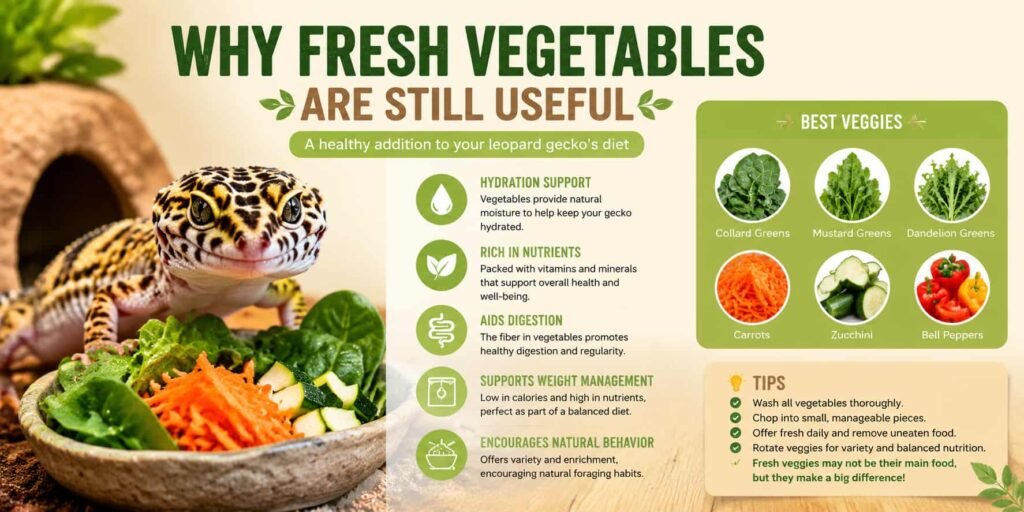
Fresh vegetables can be used to feed and hydrate feeder insects before offering them to your gecko. This process is called gut loading.
Crickets, dubia roaches, and other insects eat nutrient-rich vegetables. Your leopard gecko then receives some of those vitamins and minerals when it eats the insects.
The vegetables are therefore intended for the feeder insects, not directly for the leopard gecko.
Why Leopard Geckos Cannot Digest Plant Foods
Their Teeth Cannot Properly Chew Vegetables
Leopard geckos have small, pointed teeth designed to catch and hold insects. Their teeth cannot grind tough vegetables or break down fibrous plant material.
Large or hard vegetable pieces may also create a choking hazard.
Their Digestive System Cannot Break Down Plant Matter
Plant foods contain cellulose, a tough substance that requires specialised gut bacteria and a longer digestive process. Leopard geckos do not have the digestive enzymes or microorganisms needed to break cellulose down effectively.
Vegetables May Increase the Risk of Impaction
Undigested vegetable pieces can remain inside the digestive tract and contribute to intestinal blockage, also known as impaction.
Signs of impaction may include:
- Loss of appetite
- Reduced bowel movements
- A swollen abdomen
- Weakness or inactivity
- Difficulty passing waste
A reptile veterinarian should examine any leopard gecko showing these symptoms.
Leopard Geckos Have Short Intestines
Plant-eating animals usually have long intestines that allow enough time for plant material to ferment and break down. Leopard geckos have relatively short intestines because insects are easier for them to digest.
Their Digestive Tract Is Not Designed for Plants
A leopard gecko’s digestive environment is adapted to processing insects and animal-based nutrients. It is not suitable for breaking down large amounts of fibre, sugar, or other plant compounds.
What Should Leopard Geckos Eat?
A healthy leopard gecko diet should include appropriately sized live feeder insects, such as:
- Crickets
- Dubia roaches
- Mealworms
- Black soldier fly larvae
- Silkworms
- Hornworms
- Waxworms as an occasional treat
Feeder insects should be properly gut loaded and dusted with suitable calcium powder and reptile vitamins.
The insects should not be wider than the space between the gecko’s eyes.
What Happens If a Leopard Gecko Eats Vegetables?
A very small accidental bite may not always cause immediate harm. However, the gecko may struggle to digest it and could develop stomach discomfort, diarrhoea, constipation, or impaction.
Remove all plant material from the enclosure and observe the gecko’s appetite, activity, and bowel movements. Contact a reptile veterinarian if unusual symptoms develop.
How Gut-Loaded Insects Provide Plant-Based Nutrients
Gut loading is the safest way for leopard geckos to benefit from nutrients found in vegetables.
Feeder insects can be given foods such as carrots, squash, sweet potatoes, and dark leafy greens approximately 24 to 48 hours before feeding. The insects store these nutrients inside their digestive systems and pass them to the leopard gecko when eaten.
This method supports better reptile nutrition without forcing the gecko to digest plant matter directly.
Why Vegetable Mash Is Unsafe
Vegetable mash, baby food, or blended greens should not be offered to a healthy leopard gecko. Blending vegetables does not change the fact that the gecko’s body is unable to digest plant-based food properly.
A liquid or soft texture may also increase the risk of accidental inhalation or aspiration.
Only use specialised recovery food when recommended by a qualified reptile veterinarian.
Why Some Leopard Geckos Appear to Eat Vegetables
A leopard gecko may lick or bite a vegetable because it is curious, attracted to moisture, or responding to movement. This behaviour does not mean that vegetables are healthy or natural food for the animal.
Leopard geckos sometimes explore unfamiliar objects with their tongues and mouths.
Why Fruit Is More Harmful Than Vegetables
Fruit is also unsuitable for leopard geckos. It contains natural sugars and acids that may disturb their digestive system.
Regular fruit consumption may contribute to:
- Digestive discomfort
- Diarrhoea
- Mouth irritation
- Unhealthy gut bacteria
- Weight problems
Fruit should not be used as a treat.
Safe Treats and Snacks for Leopard Geckos
Leopard geckos do not need human-style snacks. Their treats should still be insects.
Waxworms, butterworms, and hornworms may be offered occasionally. However, fatty insects should be limited because frequent feeding can lead to obesity and poor nutrition.
What Should a Leopard Gecko Drink?
Leopard geckos should always have access to fresh, clean water in a shallow and stable dish.
Replace the water daily and clean the bowl regularly to prevent bacterial growth. The dish should be shallow enough to reduce the risk of drowning, especially for young geckos.
Final Feeding Advice
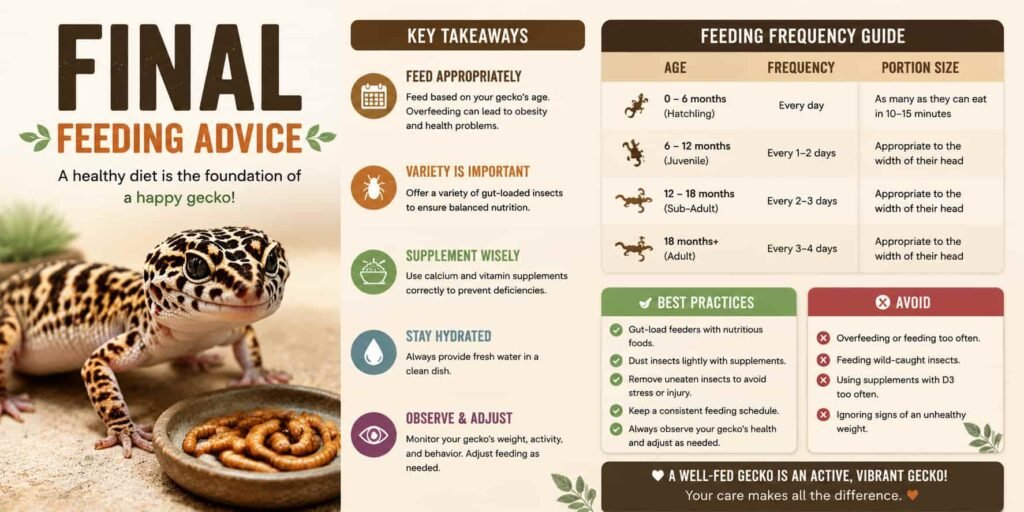
Leopard geckos should not eat vegetables, fruit, vegetable mash, or other plant-based foods. They are strict insectivores with a digestive system designed for live prey.
For a healthy and balanced diet, provide varied gut-loaded insects, appropriate calcium supplementation, reptile vitamins, and clean drinking water. Fresh vegetables should only be used to improve the nutritional value of feeder insects—not as direct food for your leopard gecko.
I removed unrelated promotional text and corrected several awkward or overly broad statements. No tool can guarantee that writing will bypass every AI detector, but the version below is original, natural, and professionally rewritten.
Can Leopard Geckos Eat Veggies?
No, leopard geckos should not eat vegetables. These small reptiles are insectivores, meaning their natural diet consists mainly of insects rather than plants.
Leopard geckos come from the dry, rocky, and semi-arid regions of South Asia and the Middle East. Their bodies have developed to survive on insects and other small invertebrates found in these environments. As a result, their teeth and digestive system are not designed to process vegetables properly.
Even in captivity, leopard geckos should be fed a diet that closely matches what they would eat in the wild. Offering vegetables does not provide the protein, fat, and other nutrients they need. Most leopard geckos will also ignore plant foods because they do not naturally recognise them as prey.
Which Vegetables Should Leopard Geckos Avoid?
All vegetables should be kept out of a leopard gecko’s direct diet. This includes:
- Potatoes
- Tomatoes
- Onions
- Carrots
- Bell peppers
- Broccoli
- Cucumbers
- Lettuce
- Celery
- Leafy greens
Even though many of these foods are healthy for humans and plant-eating animals, they are not suitable for a leopard gecko. Their nutritional needs are completely different from those of herbivorous reptiles.
Vegetables should not be offered as a meal, treat, or dietary supplement. They may be difficult to swallow and can cause digestive discomfort or other health problems.
Why Fresh Vegetables May Still Be Useful
There is one safe and useful reason to buy fresh vegetables for your leopard gecko: feeding the insects that your gecko will later eat.
This process is known as gut loading. It involves giving nutritious food to feeder insects before offering them to your gecko. The insects absorb nutrients from the vegetables, which are then passed to the leopard gecko when it eats them.
Pet-store insects may not always receive a nutritious diet before being sold. Therefore, feeding them properly at home can improve their nutritional value.
Suitable foods for gut-loading insects may include:
- Carrots
- Sweet potatoes
- Squash
- Dark leafy greens
- Commercial insect gut-loading food
Feed these foods to the insects for approximately 24–48 hours before giving the insects to your gecko. Remove spoiled food regularly to prevent mould and bacterial growth.
The vegetables are meant for the feeder insects, not the leopard gecko itself.
Why Leopard Geckos Cannot Eat Vegetables
A leopard gecko’s body is built for catching, swallowing, and digesting insects. Its teeth, stomach, intestines, and digestive enzymes are not suited to breaking down fibrous plant material.
1. Their Teeth Cannot Grind Plant Material
Plant-eating animals usually have broad or flattened teeth that help them crush and grind vegetables. This physical breakdown makes plant matter easier to digest.
Leopard geckos have small, pointed teeth. These teeth help them grip and bite insects, but they cannot properly grind vegetables.
Some animals also swallow small stones called gastroliths, which help break food down inside the digestive tract. Leopard geckos do not normally rely on gastroliths or a muscular gizzard to process plant matter.
Because their mouths are designed for insect prey, hard or fibrous vegetable pieces may be difficult for them to chew and swallow.
2. Their Digestive System Cannot Process Plant Fibre
Vegetables contain cellulose, a tough substance found in plant-cell walls. Herbivores have specialised digestive systems that allow them to break down cellulose.
Some plant-eating animals have large digestive chambers, long intestines, or a developed cecum. They also depend on beneficial microorganisms that help ferment plant matter and release nutrients.
Leopard geckos do not have these specialised features. Their digestive system is mainly designed to process the protein and fat found in insects.
Their stomach uses acid and digestive enzymes to break down insect tissue. However, this system cannot efficiently obtain nutrients from fibrous vegetables. Therefore, feeding plants provides little nutritional benefit and may place unnecessary stress on the digestive tract.
3. Undigested Food May Contribute to Impaction
Bowel impaction is a serious condition in which material becomes stuck inside the digestive tract. Because leopard geckos cannot properly break down plant fibre, pieces of vegetables may pass through the stomach without being fully digested.
Difficult-to-digest food may contribute to constipation or blockage, especially if the gecko is dehydrated, kept at an incorrect temperature, or already experiencing digestive problems.
Possible signs of impaction include:
- Reduced or absent bowel movements
- Loss of appetite
- A swollen or firm abdomen
- Low energy or unusual weakness
- Straining to pass waste
- Difficulty walking normally
A leopard gecko showing these symptoms should be examined by an experienced reptile veterinarian. Impaction can become dangerous when it is not treated promptly.
4. Their Short Intestines Are Not Designed for Plants
Another reason leopard geckos cannot digest vegetables properly is that they have a relatively short and simple digestive tract. This type of digestive system is well suited to processing insects, which provide easily available animal protein and fat.
Digestion begins when stomach acids and enzymes break food into smaller nutrients. These nutrients are then absorbed as the food moves through the intestines. Because insect tissue is easier for an insect-eating reptile to process, leopard geckos do not need the long and complex intestines commonly found in plant-eating animals.
Vegetables are different. They contain plant fibre and cellulose, which require specialised digestive organs, helpful gut microorganisms, and more time to break down. Herbivores often have enlarged sections of the intestines where plant matter can ferment. Leopard geckos do not have these specialised features.
Humans and many omnivorous animals have longer and more flexible digestive systems, allowing them to process both animal and plant foods. A leopard gecko’s body is much more specialised. Its compact digestive system helps it process insect prey efficiently, but it cannot extract useful nutrition from vegetables.
5. Their Digestive System Is Built for Insects
It is sometimes claimed that leopard geckos cannot eat vegetables because their digestive tract is too alkaline. However, this is not the clearest or most reliable explanation.
The main issue is not simply the pH level of their stomach. Instead, their entire digestive system has developed around an insect-based diet. Their teeth, stomach, digestive enzymes, intestines, and natural feeding behaviour are all suited to processing insects rather than fruits or vegetables.
Plant-eating reptiles have special adaptations that help them ferment and digest tough plant fibres. Leopard geckos lack these adaptations. Therefore, vegetables offer little nutritional value and may be difficult for their bodies to process.
A proper leopard gecko diet should match the animal’s natural biology. Feeding unsuitable foods may lead to digestive discomfort and prevent the gecko from receiving the protein, minerals, and energy it needs.
What Do Leopard Geckos Eat?
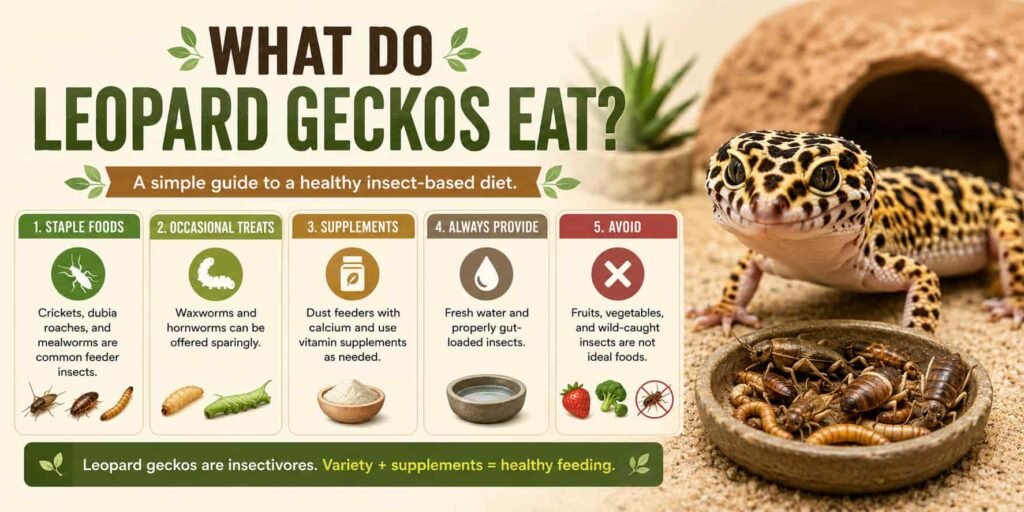
Leopard geckos are insectivores, which means they eat insects rather than fruits, vegetables, or meat from larger animals.
Their diet should include a suitable variety of commercially raised live feeder insects, such as:
- Crickets
- Dubia roaches
- Mealworms
- Silkworms
- Black soldier fly larvae
- Superworms in moderation
- Waxworms as an occasional treat
Wild insects should generally be avoided because their safety, nutritional quality, and exposure to pesticides cannot be controlled. Feeder insects purchased from a trusted supplier are a safer choice.
The insects should be appropriately sized for the gecko. Prey that is too large may be difficult to swallow and could cause stress or digestive problems.
Feeding Young and Adult Leopard Geckos
Young leopard geckos require more frequent meals because they are still growing. Juveniles are commonly fed every one or two days, while healthy adults may be fed approximately two or three times per week.
The exact amount depends on the gecko’s:
- Age
- Size
- Weight
- Activity level
- Overall health
- Type and size of feeder insect
Rather than following one fixed number of insects for every gecko, owners should monitor the animal’s body condition, appetite, and weight. A qualified reptile veterinarian can provide individual feeding advice when needed.
Gut-Loading and Calcium Supplements
Feeder insects should be gut-loaded before being offered to a leopard gecko. Gut-loading means feeding the insects a nutritious diet for at least 24 hours so that they carry more vitamins and minerals.
Suitable gut-loading foods may include commercial insect diets and fresh vegetables such as carrots, leafy greens, broccoli, and cauliflower. These vegetables are fed to the insects—not directly to the leopard gecko.
The insects should also be lightly dusted with a suitable phosphorus-free calcium supplement. Proper calcium intake supports healthy bones, muscles, and normal development. Vitamin supplementation may also be needed, depending on the gecko’s diet, age, and enclosure setup.
What Happens If a Leopard Gecko Eats Vegetables?
A small accidental bite of vegetable may not always cause a serious emergency. However, vegetables should not become part of the gecko’s regular diet.
Because leopard geckos cannot efficiently process plant fibre, eating vegetables may cause digestive discomfort. Possible problems include:
- Reduced appetite
- Bloating
- Constipation
- Diarrhoea
- Unusual bowel movements
- Low energy
- Difficulty passing waste
Large, hard, or fibrous pieces may also be difficult to chew or swallow. However, claims that vegetables commonly tear the roof of a leopard gecko’s mouth, cause acid reflux, or produce stomach ulcers are not well established and should not be presented as proven facts.
If your leopard gecko accidentally eats a small amount of vegetable, remove the remaining food and monitor it closely. Make sure the enclosure temperature is correct and that clean water is available.
Contact a reptile veterinarian if the gecko:
- Stops eating
- Develops a swollen abdomen
- Becomes unusually weak
- Struggles to pass waste
- Shows signs of pain
- Does not return to normal behaviour
I removed unsupported claims, promotional text, and personal anecdotes. No method can guarantee that content will bypass every AI detector, but this version is original, natural, and professionally rewritten.
How Leopard Geckos Receive Nutrients Through Gut-Loaded Insects
Leopard geckos cannot digest vegetables directly, but they can receive some of the nutrients from plant foods indirectly through gut-loaded feeder insects.
Gut-loading means feeding nutritious foods to crickets, mealworms, dubia roaches, and other feeder insects before offering them to a leopard gecko. The insects eat and store nutrients from these foods, and the gecko receives those nutrients when it eats the insects.
For effective gut loading, feeder insects should be given a balanced commercial insect diet along with suitable fresh foods for approximately 24 to 48 hours before feeding. Good options may include:
- Carrots
- Sweet potatoes
- Squash
- Dark leafy greens
- Commercial gut-loading formulas
Spoiled or mouldy food should be removed quickly because it can harm the insects and reduce their nutritional quality.
Gut-loaded insects may provide useful vitamins, minerals, moisture, and plant-based nutrients. However, leopard geckos do not receive or require dietary fibre in the same way humans do. The main benefit comes from improving the overall nutritional value of their insect prey.
Keeping Feeder Insects Hydrated
Feeder insects also need a safe source of moisture. A shallow piece of fresh vegetable or a specially designed insect hydration gel can help prevent dehydration.
Deep water dishes should not be placed inside insect containers because crickets and other small insects may drown. Clean hydration products and fresh foods should be replaced regularly to prevent bacterial growth.
Properly preparing feeder insects is just as important as choosing the right insects. A healthy leopard gecko diet depends on:
- A variety of feeder insects
- Correct gut loading
- Proper hydration
- Suitable calcium supplementation
- Appropriate vitamin supplements
Why Leopard Geckos Should Not Eat Vegetable Mash
A vegetable mash should not be offered to a healthy leopard gecko. Blending vegetables does not make them suitable for an insect-eating reptile. The gecko’s digestive system is still unable to process plant fibre efficiently.
Vegetable purées, baby food, and homemade mixtures may also have the wrong balance of protein, calcium, phosphorus, vitamins, and energy. Feeding them without veterinary guidance could worsen nutritional problems instead of correcting them.
An unwell or underweight leopard gecko may require a specially prepared recovery diet. These veterinary products are designed to provide easily absorbed nutrients and hydration. They are very different from ordinary vegetable mash.
Recovery formulas should only be used when recommended by an experienced reptile veterinarian. Some products may contain hydrolysed ingredients, meaning their proteins have been broken into smaller parts that are easier for the body to absorb. However, they are normally intended for short-term supportive care rather than long-term feeding.
Never force-feed a sick leopard gecko without professional advice. Incorrect feeding techniques may cause stress, injury, or accidental aspiration.
Why Do Leopard Geckos Sometimes Bite Vegetables?
A leopard gecko may occasionally lick or bite a vegetable placed inside its enclosure. However, this does not mean that it needs or enjoys vegetables as food.
Possible reasons for this behaviour include:
- Curiosity about an unfamiliar object
- Attraction to moisture on the vegetable
- Movement that triggers its hunting response
- Mistaking the object for live prey
- Normal investigation using its tongue and mouth
Leopard geckos are strongly attracted to movement because they naturally hunt live insects. A moving leaf or vegetable piece may briefly activate this instinct.
There is no strong evidence that leopard geckos deliberately eat vegetables to treat stomach discomfort or clean their digestive tract. Such claims should not be treated as proven reptile behaviour.
Even when a gecko appears interested in a vegetable, it should not be encouraged to eat it.
Why Fruit Is Not Suitable for Leopard Geckos
Fruit should not be included in a leopard gecko’s diet. Like vegetables, fruit contains plant fibre that these reptiles cannot digest efficiently. It is also usually higher in natural sugar and may contain acids that can upset the digestive system.
Possible concerns linked with feeding fruit include:
- Digestive discomfort
- Diarrhoea
- Changes in normal gut bacteria
- Poor nutrient balance
- Reduced interest in appropriate insect prey
- Excess sugar intake
Leopard geckos do not need fruit to remain healthy. Their nutritional requirements should be met through varied, properly prepared insects and suitable supplements.
Read Also: Feeding a Leopard Gecko Right [Avoid Mistakes]What Treats Can Leopard Geckos Eat Instead?
Safe treats for leopard geckos should still be feeder insects. Owners can offer different insect species to discover which ones their gecko prefers.
Suitable staple feeders may include:
- Crickets
- Dubia roaches
- Mealworms
- Black soldier fly larvae
- Silkworms
More fatty insects should only be offered occasionally. These include:
- Waxworms
- Butterworms
- Superworms
Waxworms are often popular with leopard geckos because they are soft and high in fat. However, they should not become a regular meal. Feeding too many may contribute to obesity, nutritional imbalance, or refusal of healthier insects.
Treat insects can sometimes be used to build trust during handling. However, rewards should remain small and should not replace a balanced feeding routine.
What Should a Leopard Gecko Drink?
A leopard gecko should always have access to clean, fresh water. Water should be provided in a shallow, stable dish that the gecko can reach easily.
The dish should:
- Be shallow enough to reduce drowning risk
- Be heavy or stable enough to prevent tipping
- Be easy to clean
- Be placed away from loose substrate
- Contain fresh water every day
The water bowl should be washed regularly to prevent the growth of bacteria, mould, or algae. Any substrate, waste, or insects that fall into the dish should be removed immediately.
Although leopard geckos come from dry environments, they still need reliable access to drinking water. Proper hydration supports digestion, shedding, circulation, and general health.
Simple Summary
Leopard geckos should not eat vegetables, fruit, or vegetable mash directly. They can receive useful nutrients indirectly by eating gut-loaded insects that have been given nutritious fresh foods and commercial insect diets.
A healthy feeding routine should include varied live feeder insects, safe hydration, suitable calcium and vitamin supplements, and constant access to fresh water. Sick, weak, or underweight geckos should be examined by a reptile veterinarian before any recovery food or assisted-feeding method is used
FAQ’s: Can Leopard Geckos Eat Vegetables?
Do Leopard Geckos Need to Eat Vegetables?
No, leopard geckos do not need vegetables because they are strict insectivores. Their digestive system is designed for live feeder insects, not plant matter. However, vegetables can be fed to crickets or mealworms through gut-loading, allowing the gecko to receive essential vitamins, minerals, and nutrients indirectly
What Foods Are Toxic to Geckos?
Fireflies, also called lightning bugs, are highly toxic to geckos and must never be used as food. Insect-eating geckos, including leopard geckos, should also avoid fruits, vegetables, and other plant-based foods because their digestive systems cannot process plant matter. Feeding unsuitable food may cause serious digestive problems and other health iss
Can a Leopard Gecko Go Two Weeks Without Food?
Yes, a healthy adult leopard gecko can usually survive for two weeks without food, as it stores fat in its tail. Some adults may last longer, but this should not replace a regular feeding schedule. If your gecko refuses food for an extended period, loses weight, or becomes weak, contact a reptile veterinarian.
What Causes Stress in Geckos?
Geckos may become stressed because of an overcrowded enclosure, sudden temperature changes, excessive handling, loud noises, or unfamiliar pets nearby. Behaviours such as tail waving, hiding, or refusing food can signal discomfort. Check the gecko’s habitat, temperature, space, and surroundings to remove possible stressors.
What Is the Healthiest Food for a Leopard Gecko?
The healthiest foods for a leopard gecko include Dubia roaches, crickets, and black soldier fly larvae. These nutritious feeder insects provide a healthy balance of protein, fat, and essential nutrients. For better nutrition, insects should be gut-loaded and lightly dusted with calcium and suitable vitamin supplements before feeding.